Are cigarette butts invading protected areas more than unprotected urban and natural spaces?
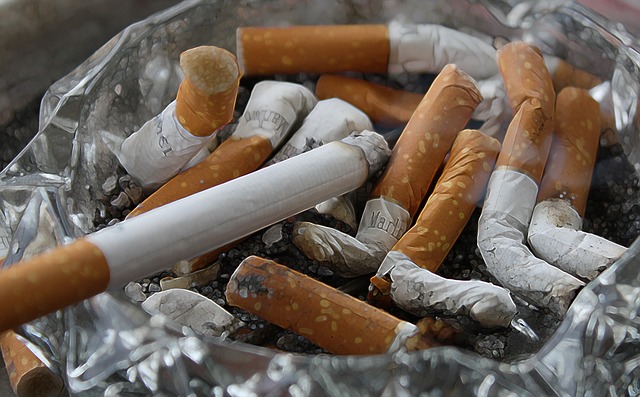
Every year, more than 4.5 trillion cigarette butts are discarded into the environment worldwide, making them the most widespread waste on the planet. Composed of plastic filters, paper, tobacco residues, and ash, these butts release toxic substances and persist for a long time in nature. They accumulate on beaches, in rivers, lakes, and even in protected areas, threatening biodiversity and ecosystem quality. Despite their small size, their massive presence poses a major environmental challenge, often underestimated.
A recent global analysis revealed that the average density of cigarette butts reaches 0.24 per square meter, with significant variations depending on the region. The most affected areas are mainly in Asia and Latin America, where some countries record concentrations up to ten times higher than the average. Aquatic environments, particularly beaches, are the most contaminated due to tourist activity and more regular monitoring. Cigarette butts account for an average of 12% of waste found in these environments, exceeding 50% in several countries.
Protected areas, such as natural parks or marine reserves, show contamination levels five times lower than unprotected areas. In the most strictly preserved spaces, where human activity is restricted, the density of cigarette butts drops to 0.03 per square meter, nearly ten times less than elsewhere. This difference shows that protective measures effectively reduce pollution, although they do not eliminate it entirely. Among the 165 protected areas studied in 37 countries, some remain affected, particularly where regulations are less strict or poorly enforced.
Cigarette butts are not just an aesthetic problem: they release dangerous chemicals into soils and waterways, affecting wildlife and plant life. Their management is complicated by their mixed composition, which makes recycling difficult and costly. Policies to combat this scourge must therefore combine smoking bans in sensitive areas, stricter penalties for littering cigarette butts, and increased responsibility for the tobacco industry.
Pollution hotspots, identified in 17 countries, are mainly concentrated on beaches and in densely populated cities. In Asia, records of 38 cigarette butts per square meter have been observed, while in Latin America, some beaches reach similar densities. Even in Europe, where waste management is generally better organized, black spots persist, proving that the problem is global.
To limit this pollution, it is essential to improve monitoring, expand smoking bans in public places, and raise public awareness. Protected areas play a key role, but their effectiveness depends on the rigor of the rules and their enforcement. Without concerted action, cigarette butts will continue to degrade ecosystems, despite conservation efforts.
Credits
Source Study
DOI: https://doi.org/10.1007/s10311-026-01897-0
Title: Global cigarette butt contamination: a review
Journal: Environmental Chemistry Letters
Publisher: Springer Science and Business Media LLC
Authors: Victor Vasques Ribeiro; Lucas Buruaem Moreira; Graziele Grilo; Gabriel Enrique De-la-Torre; Danilo Freitas Rangel; André Salem Szklo